Referral Program
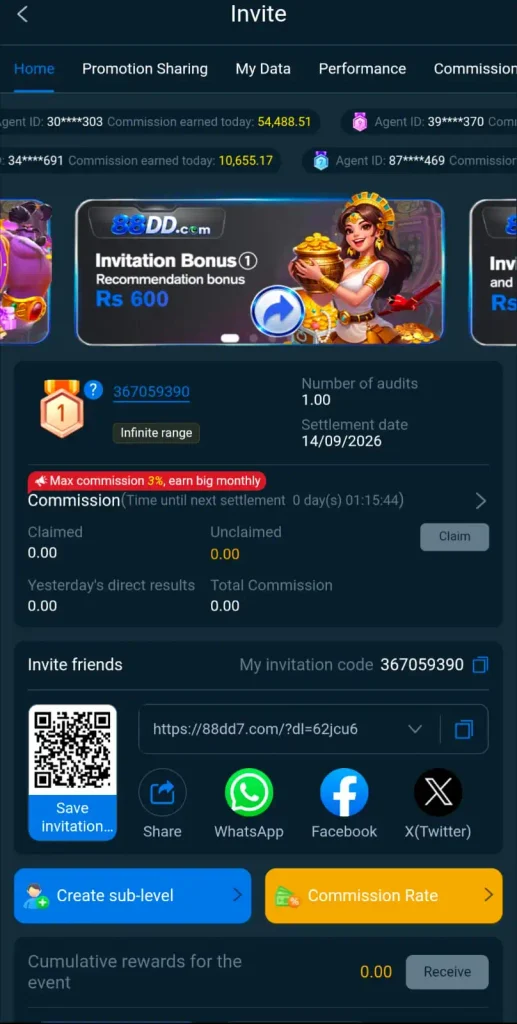
A 88DD Game referral program is a marketing system that allows existing users, customers, members, or partners to recommend a product or service to other people. When a referred person completes a required action, such as creating an account, making a purchase, installing an application, or completing another qualifying activity.
Referral programs have become an important part of modern digital marketing because people often trust recommendations from friends, family members, colleagues, and online communities more than traditional advertisements. As a result, businesses can build stronger connections with potential customers through personal recommendations.
What Is a 88DD Referral Program?
In simple words, the 88DD Game referral program allows existing users to invite new users to the platform. When a new user joins through a referral link or code and completes the required steps, the existing user may receive a reward. For example, the new user may need to create and verify an account, complete a required purchase, finish a specific activity, or stay active for a certain period. However, these requirements can vary depending on the referral program. Therefore, users should check the program rules before sharing their referral link or code.
Why Do Businesses Use Referral Programs?
Businesses use referral programs to attract new customers through recommendations from their existing users. Instead of depending only on traditional advertising, companies can encourage satisfied customers to share their products or services with friends, family, and other people.
As a result, referral programs can help businesses reach more potential customers, increase brand awareness, and build stronger customer relationships.
Moreover, a good referral program can encourage existing customers to stay engaged because they can receive rewards for successful referrals. In this way, referral marketing can support business growth while giving existing users an additional benefit.
Benefits for Users
Additional Rewards
Users may receive discounts, account credits, points, cashback, or other benefits for successful referrals.
Easy Sharing
Digital referral systems usually provide links or codes that users can share quickly.
Benefits for Friends or New Users
Some programs give the invited person a welcome discount or another introductory benefit.
Flexible Participation
Many referral programs allow users to participate without becoming full-time marketers. A person can simply recommend a service to people who may genuinely find it useful.
Referral Program vs. Affiliate Program
Referral programs and affiliate programs are similar, but they are not always the same. A referral program generally focuses on existing users recommending a product to people they know. An affiliate program often targets publishers, influencers, websites, or professional marketers who promote products to a larger audience.
Referral programs commonly use fixed rewards, account credits, or discounts. Affiliate programs frequently use commissions based on sales or other measurable conversions. The terminology can vary, so participants should read the individual program’s terms rather than relying only on the program’s name.
What Makes a Good Referral Program?
Users should be able to answer basic questions such as:
- Who can participate?
- What action must the new user complete?
- How much is the reward?
- When will the reward be credited?
- Are there limits on referrals?
- Are there geographical restrictions?
- What activities are prohibited?
- Can rewards expire?
Transparency is particularly important because unclear conditions can create confusion between users and businesses.
How to Share a Referral Effectively
For example, explain:
- What the product or service does.
- Why you use or recommend it.
- Who may benefit from it.
- Whether there are important conditions.
- Where the person can learn more.
This approach makes the recommendation more useful and reduces the appearance of spam.
Focus on Relevance
Do not send the same referral to everyone. A referral works better when the product actually matches the recipient’s needs.
Be Transparent
If you may receive a reward from someone’s signup or purchase, make that clear. Honest recommendations can help preserve trust.
Avoid Unrealistic Claims
Do not describe a referral reward as guaranteed income unless the program explicitly guarantees it. Rewards usually depend on qualifying conditions.
Referral Tracking and Attribution
One of the most important technical parts of a referral system is attribution. A platform needs to determine which participant introduced a new user. It may use referral codes, tracking links, cookies, account identifiers, or other technical methods.
Tracking can sometimes fail because of:
- Incorrect code entry.
- Browser restrictions.
- Registration through a different device.
- Clearing cookies.
- Using a different promotional link.
Why Referral Rewards May Be Delayed
Platforms may delay rewards while they verify the qualifying activity. For example, a business may need to confirm that a transaction was genuine, that the new account meets eligibility requirements, or that the customer has not cancelled an order.
A referral can also remain pending if the referred user has not completed all required steps. Users should check the referral dashboard, program terms, and transaction status before contacting support.
Is a Referral Program a Reliable Way to Make Money?
It depends on the program. Referral rewards can provide genuine benefits, but users should not automatically consider every referral offer a reliable income source. Some programs provide small promotional rewards, while others offer larger commissions based on qualifying activity.
The important factor is the actual program structure.
Users should evaluate:
- Reward amount.
- Qualification requirements.
- Payment method.
- Minimum withdrawal or redemption requirements.
- Program duration.
- Terms and conditions.
- Reputation of the company.
- Privacy and account requirements.
If a platform promises unusually high returns simply for recruiting people, users should investigate the offer carefully before participating.
How to Identify a Suspicious Referral Offer
Not every referral opportunity is trustworthy. Warning signs can include pressure to pay an upfront fee before receiving a reward, unrealistic promises, unclear company information, fake testimonials, requests for sensitive credentials, or instructions to move payments through unofficial channels.
A referral program should provide clear information about the business, reward conditions, eligibility requirements, and payment process. Users should also avoid sharing passwords, authentication codes, or other sensitive account information with people claiming to manage referrals.
The Future of Referral Programs
Referral marketing continues to evolve as businesses collect more customer data and use increasingly sophisticated digital tracking systems.
Modern referral programs can combine referral links, mobile applications, loyalty points, personalized offers, creator partnerships, and automated reward systems.
Final Thoughts
A referral program connects existing users with potential new customers through a structured reward system. It can benefit businesses by generating word-of-mouth growth and give users an opportunity to earn discounts, credits, points, commissions, or other rewards.
The most important point is to understand the rules before participating. A successful referral normally requires more than sharing a link. The invited person may need to complete specific actions, and the platform may verify the activity before releasing the reward.