88DD Game Deposit
An 88DD Game deposit refers to adding funds to an account so that users can access features that require a balance. While the basic idea of a deposit is simple, users should understand how the process works before transferring money. Payment methods, minimum amounts, processing times, fees, and availability can vary depending on the platform and the user’s location.
Before making any transaction, it is important to review the deposit page carefully and use only the payment methods currently displayed by the platform. Users should never send money to an unknown person or use payment details received from unofficial social media accounts.
What Is an 88DD Game Deposit?
A deposit is a financial transaction in which money is transferred into an eligible account balance. After a successful transaction, the deposited amount may become available for supported games or other paid features.
The balance shown after a deposit should be checked before starting any activity. A successful payment does not necessarily mean that every feature or game will have the same rules. Some services may apply separate requirements, limits, or conditions.
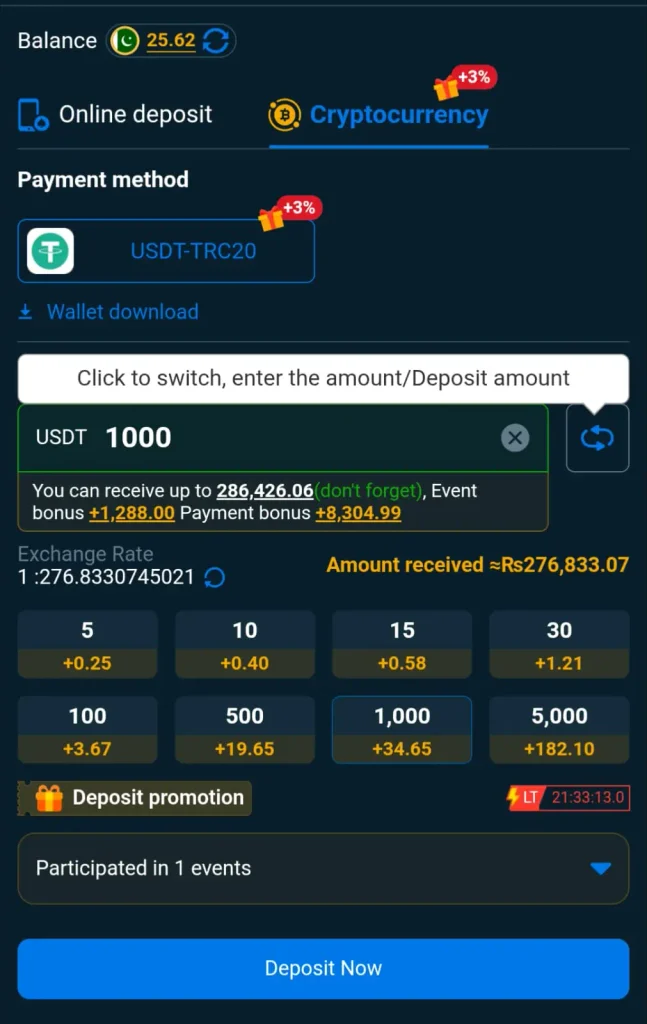
Users should also distinguish between a deposit and a promotional bonus. Money personally deposited into an account and promotional credits may have different terms, withdrawal conditions, or usage restrictions.
How to Make an 88DD Game Deposit
The general deposit process can be completed through the account’s wallet or payment section:
- Log in to your existing 88DD Game account.
- Open the Wallet, Deposit, or Funds section.
- Review the payment methods currently available.
- Select the payment option you prefer.
- Enter the amount you want to deposit.
- Carefully review the transaction information.
- Continue to the payment or confirmation screen.
- Complete the transaction through the selected payment method.
- Check your account balance after the payment has been processed.
The exact screens and instructions can change over time. Users should therefore follow the information shown on the current deposit page rather than relying on old screenshots or instructions from third-party websites.
Choosing a Deposit Method
Different users may see different payment methods depending on availability. A deposit page may provide one or more options, and each method can have its own processing time and transaction requirements.
Before selecting an option, check whether it supports your preferred amount and whether additional charges are mentioned. If a method requires information from a bank, mobile wallet, or payment service, make sure the details are entered correctly.
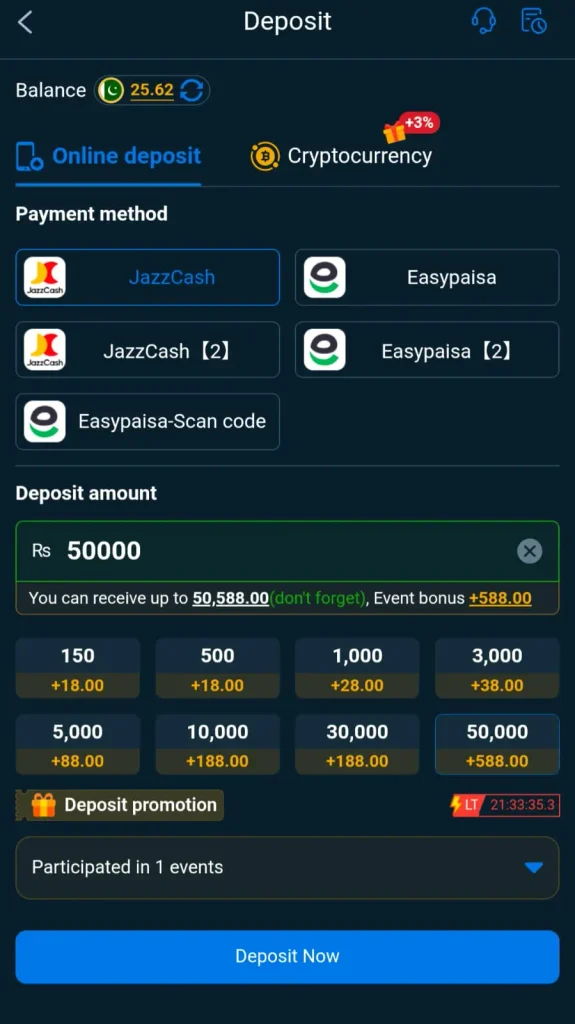
Do not use another person’s payment account unless the platform specifically permits it. Payment ownership rules can affect transaction verification and may create problems when requesting support.
Minimum and Maximum Deposit Amounts
Deposit limits are important because they determine how much money can be added in a single transaction. A platform may set a minimum deposit amount as well as daily, weekly, or transaction-based limits.
These limits can change, so users should check the amount displayed on the deposit screen before confirming a payment. If a transaction is rejected because the amount is outside the permitted range, adjusting the amount according to the displayed requirements may be necessary.
Users should not attempt to bypass transaction limits by repeatedly making payments or using unofficial payment channels.
Deposit Processing Time
Some deposits may appear in an account shortly after payment confirmation, while others can take longer to process. The timing can depend on the payment provider, network conditions, verification requirements, and technical processing.
If money has been deducted but the account balance has not changed, avoid immediately sending another payment. First, check the transaction status and payment history. Making repeated deposits could result in multiple successful transactions.
Keep the payment receipt or transaction reference until the balance has been updated successfully.
What to Do When a Deposit Is Pending
A pending deposit generally means that the payment has not yet reached its final status. This can happen because the payment provider is still processing the transaction or because additional verification is required.
When a deposit remains pending, check the transaction history for its latest status. Confirm that the payment was completed through the selected provider and keep any reference number available.
It is better to wait for the existing transaction to be resolved rather than immediately creating another payment. If the transaction remains pending for longer than the period indicated by the platform, contact the appropriate support channel with the relevant transaction details.
Failed or Rejected Deposits
A deposit can fail for several reasons. The payment method may be temporarily unavailable, the entered information may be incorrect, the amount may not meet the required limits, or the payment provider may decline the transaction.
If a deposit fails, check the reason shown on the payment page or transaction history. Verify the amount and payment details before trying again.
If money was deducted despite the transaction showing as failed, do not assume that the amount has been permanently lost. The payment provider may reverse or return the transaction depending on its processing rules. Keep the transaction reference and contact support if the issue is not resolved.
Deposit Fees and Charges
A deposit may or may not involve additional fees. Charges can come from the platform, payment provider, bank, mobile wallet, or other intermediary.
Always check the final amount displayed before confirming a transaction. The amount charged by a payment provider can sometimes differ from the amount credited to an account.
Users should avoid sending additional money to individuals who claim that an extra payment is required to release a deposit unless the requirement is clearly shown through an official payment process.
Deposit Safety Tips
Financial transactions require extra care. Always access the deposit section through the legitimate 88DD Game website or application and avoid links received from unknown sources.
Never share your password, OTP, PIN, or payment authentication code with another person. Customer support should not require you to disclose private security codes.
Before confirming a payment, verify the recipient information, transaction amount, and payment method. Save transaction receipts where possible so that you have a record if a problem occurs.
Avoid modified applications, unofficial APK files, and third-party payment agents promising faster deposits. Such services can create security and financial risks.
Deposit and Account Balance
After completing a deposit, check the wallet or balance section to confirm whether the amount has been credited. Keep in mind that promotional credits and deposited funds may be displayed separately if the platform uses different balance categories.
If the credited amount appears incorrect, compare the account balance with the payment receipt and transaction history. Having accurate transaction information makes it easier to identify whether the issue is related to the payment provider or the account.
Responsible Use Of Deposited Funds
Adding money to a gaming account should always be treated as spending, not as a guaranteed way to make money. Real-money gaming carries the possibility of financial loss, and users should never deposit more than they can afford to lose.
Set a personal spending limit before making a transaction and avoid chasing losses by adding more funds. If you are under the legal age for real-money gaming in your jurisdiction, do not use such features.
Users should also review the applicable terms, restrictions, and local laws before making financial transactions.
Final Words
An 88DD Game deposit is the process of adding funds to an eligible account for supported paid features. Before depositing, users should check the available payment methods, transaction limits, fees, and processing information shown on the current platform.
Pending and failed payments should be handled carefully, especially when money has already been deducted. Keeping transaction receipts, protecting payment credentials, and avoiding unofficial payment channels can help reduce unnecessary risks.
Most importantly, a deposit should be considered a financial transaction rather than a guaranteed opportunity to earn. Review the current rules and use only funds that you can afford to lose when participating in real-money gaming.